When your furnace refuses to start, the thought of do-it-yourself furnace repair in Texas, Texas, can feel extremely overwhelming.
However, if you discover you need help from a heating and cooling pro in Texas, Texas, Rescue Heating & Air can handle all your furnace problems—so you don’t have to! We service most brands and models of heating systems and also offer emergency furnace repair.
If it’s time for a new heating system instead of repair, Rescue Heating & Air also provides energy-efficient furnace installation in Texas, Texas.
While you’re talking with us, think about a regular furnace maintenance plan that may help you avoid unnecessary repairs and increase your system efficiency. We can inform you on how frequently your furnace should be examined by one of our certified pros.
How do you know if your home needs heating repair? Use our simple guide below.

8 Signs You Need Furnace Repair

1. Some rooms in your home won’t get warm.
Your furnace should provide warmth to every room in your home. If it’s not and some rooms in your home are too cold, reach out to one of our HVAC technicians for furnace maintenance or repair.
2. Your monthly energy bills spike.
If you aren’t really using your furnace more, but your home heating bills are rising much more than they should, it could be that your furnace is inefficient and requires repair.


3. Strange noises come from the furnace.
All HVAC systems make some noise, but if your furnace is making weird noises—especially banging—it’s a sign you should have it examined by an expert.
4. Your furnace constantly turns off and on.
Called short cycling, a furnace that keeps starting and stopping instead of turning on and running steadily through its cycle most likely needs repair from a skilled HVAC technician like the team members at Rescue Heating & Air.
5. The heating system won’t start.
If your furnace will not start, that’s certainly a sign you should call for HVAC repair. If it turns out you need furnace replacement, our HVAC technicians in Alice can help you pick a new energy-efficient furnace that’s right for your home.
6. Water leaks around your HVAC system.
Any type of water pooling around your furnace is a sign there’s something wrong that needs timely HVAC repair. We’ll give you a diagnosis and present your repair options, so you can decide which works best for your home and budget.

7. Your furnace is making an unpleasant small.
Furnaces shouldn’t smell bad. If there’s a persistent nasty smell coming from your furnace, it’s a sign you should seek repair. If you think you smell gas or a sulfur smell, it could be a gas leak and calls for immediate action: evacuate your home right away and reach out to get help once you have gotten to safety.
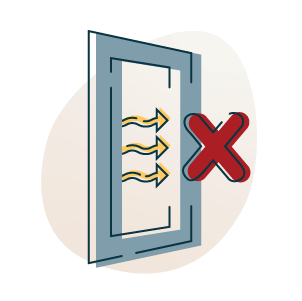
8. Insufficient airflow out of your home’s vents.
From problems with your air ducts to issues with the blower motor or a clogged furnace filter, insufficient or weak airflow from vents can be caused by a number of problems that may require HVAC repair, system maintenance or furnace installation.
Furnace Repair: Frequently Asked Questions
We Can Help with HVAC Repair
Followed our troubleshooting guide but your furnace still won’t work?
Call us today or contact us online. We’ll come out and pinpoint the problem.